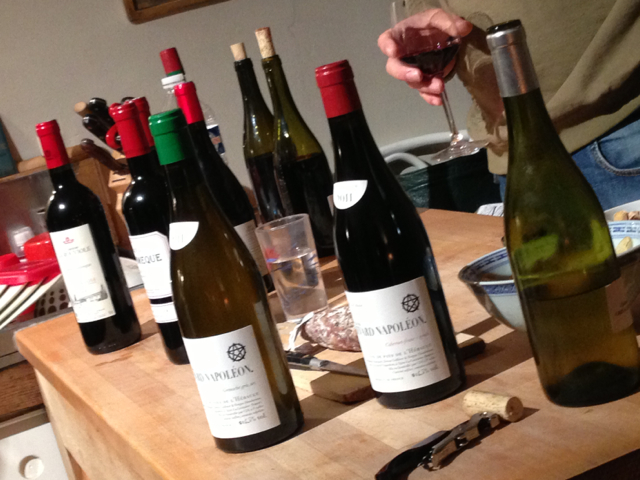
It’s Thursday and our turn poker night at our house. The guys were insepcting the labels for a new wine of Benji’s that’s about to be bottled and then got stuck into drinking some others.
Inspecting Vincent’s labels for a new Benji wine coming soon, ‘Boulevard Napoleon’. (and a thank you to monsieur p for your hand modelling work)
I was so excited, Benji put a great bottle of white in the freezer and I left them (wringing my hands in anticipation) in the kitchen as they sat down to play. Half-an-hour later I reminded Benji about his bottle chilling and he held one up and said ‘Oh this one? It’s finished’. My mouth dropped. The scoundrels!
(I should admit I got to bring a twentieth of a glass of chardonnay with me – so generous of you fellas)
I’d been meaning to put up some long-overdue photos anyway.
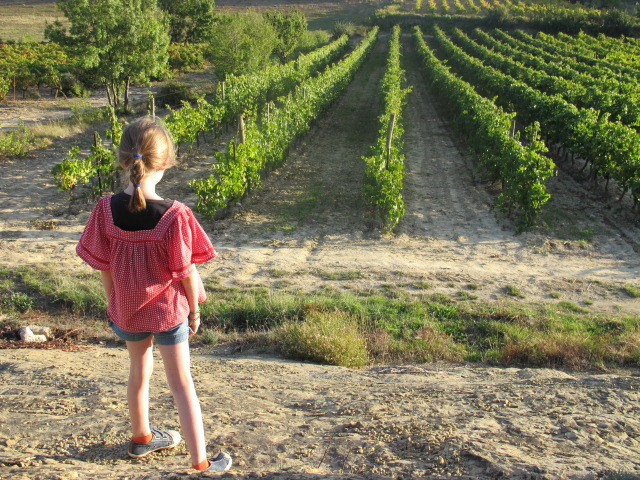
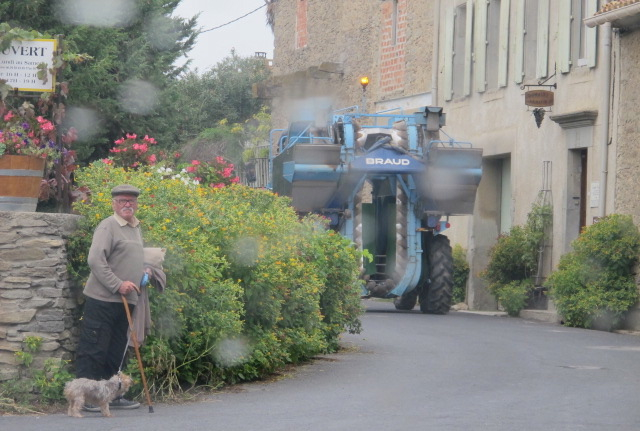
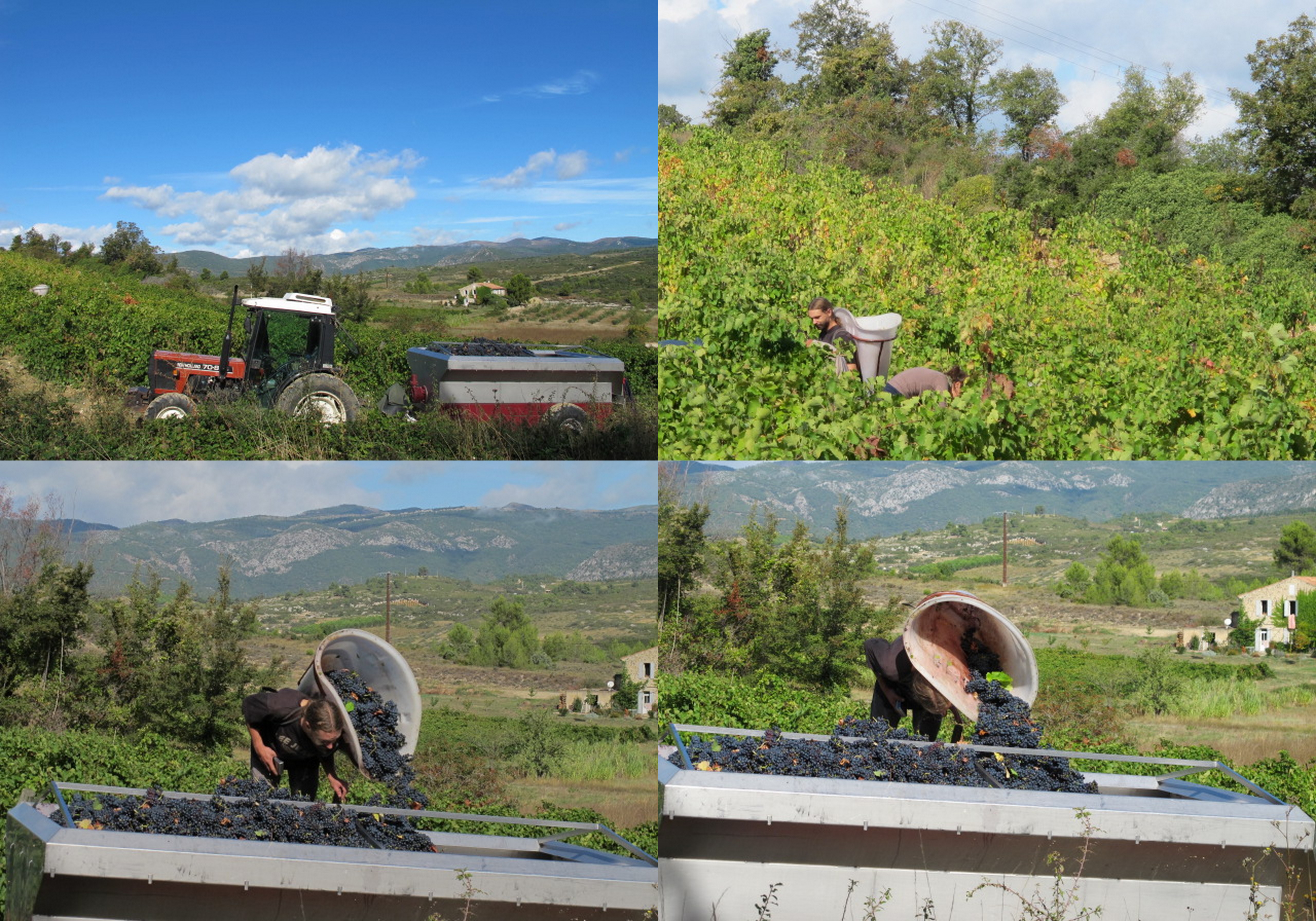
So for you, here’s a round-up of the 2012 grape harvest in our little area, the village of La Liviniere, in the Minervois region. In our village alone, of approxiamtely 600 people, there are 16 vignerons (winemakers/vineyard owners producing their own brand) and about 150 viticulturalists processing their grapes with the local Cave Co-operative.
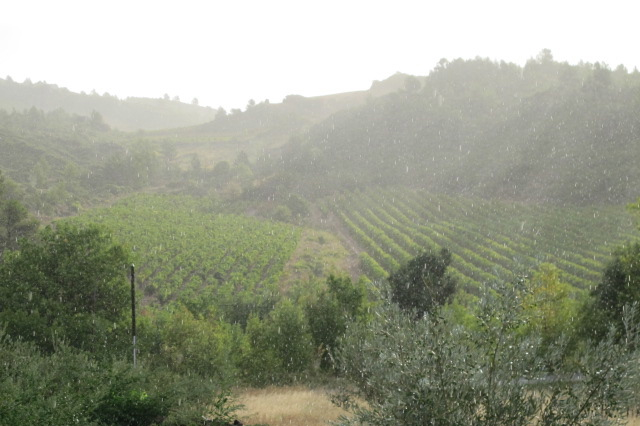
It’s been a good harvest and people seem pretty happy about what they’ve picked – despite the kaleidoscope of weather. Essentially, we had good rain, good sun, good wind and the vineyard owners and vignerons are happy to see their babies off the vines and in the tanks.
Gone for the moment the need to check on the weather patterns 24/7 and the worries of the wiles of Nature , it’s now time to work inside the cellars and nurture the juice.
While the viticulteurs take it easier, the vignerons need to keep up a a seven day working week. It is now that crucial decisions, with their accompanying stress, need to be made regarding the precious juice and its management and development.
However, I can say that the general climate in our house is now pleasantly mild with fewer storms brewing on the front .
But not if the wine isn’t shared around.
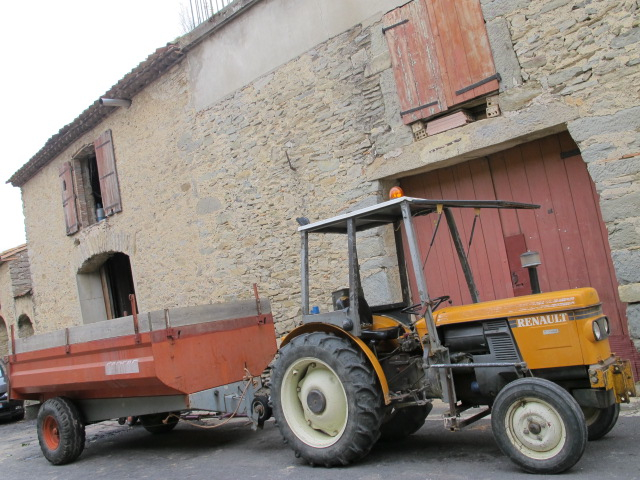
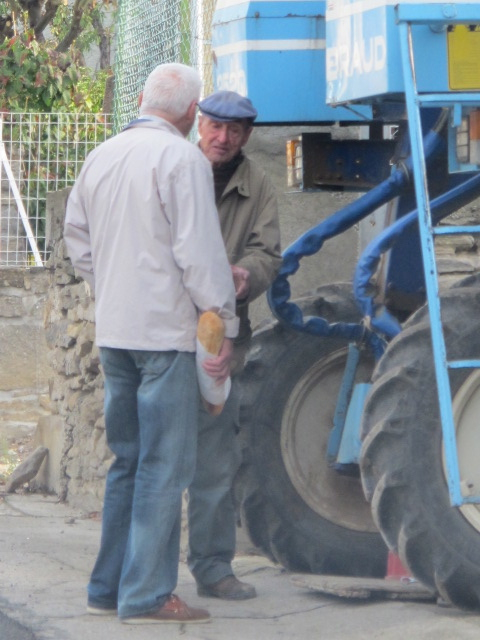
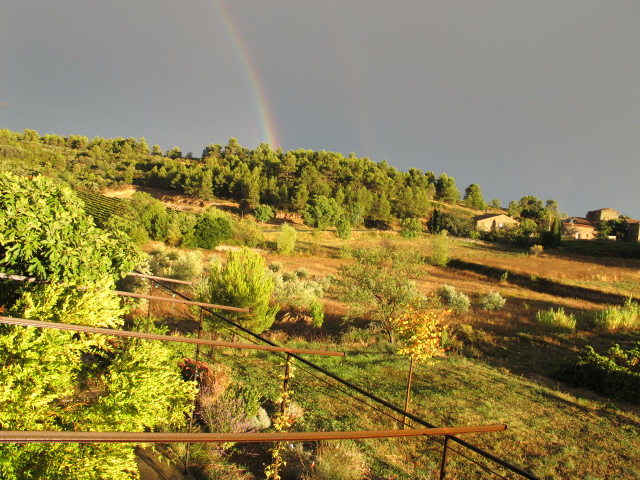
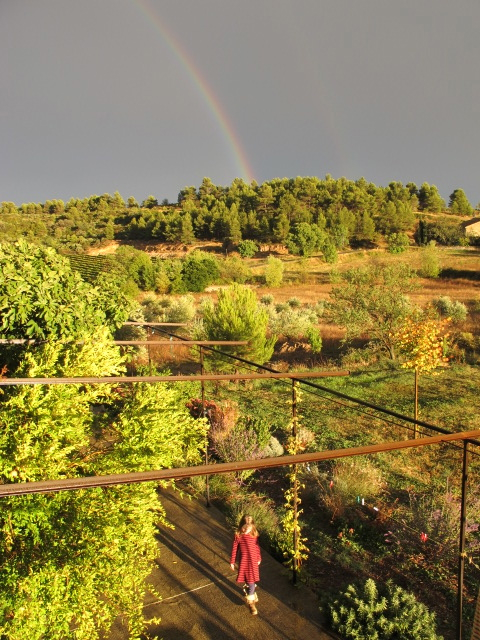
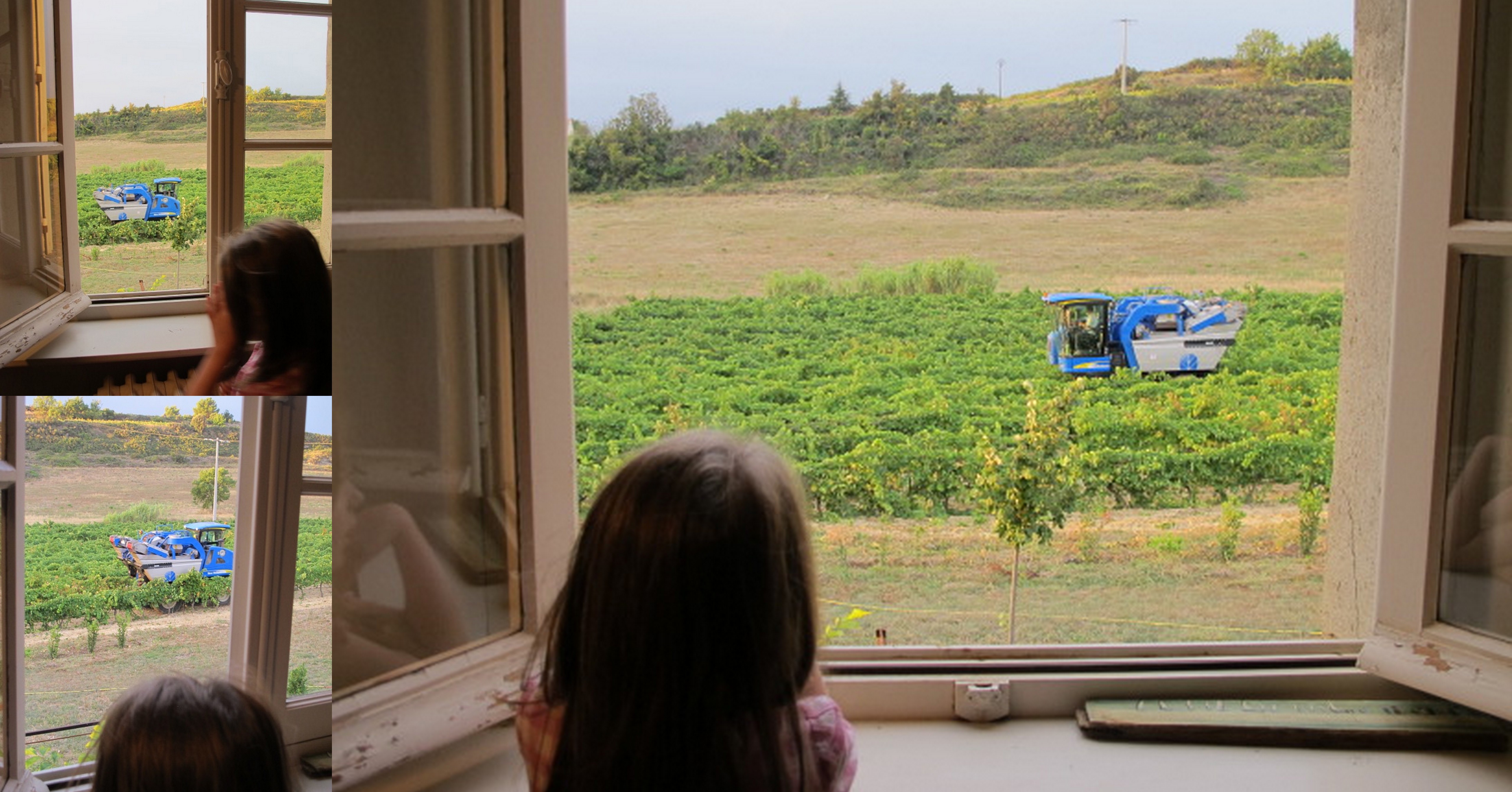
calamiac, harvest timelunchtime break in the villageman, dog, harvesterraining one afternoon……sunny the nextmorning chat by the harvester
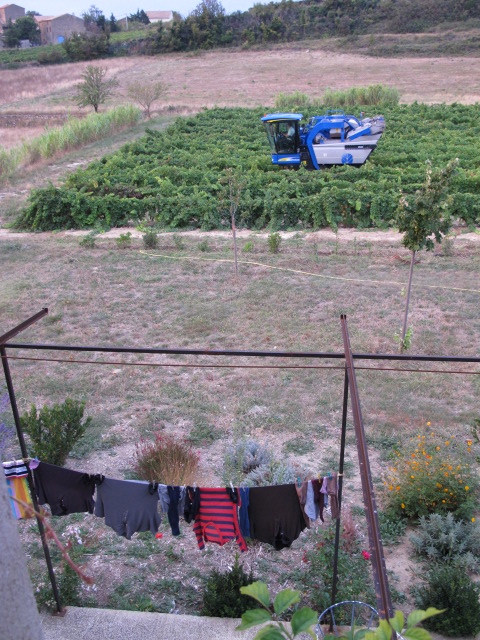
the neighbouring vigneron’s pickers…the alternativewatching the harvester from the house, early morning
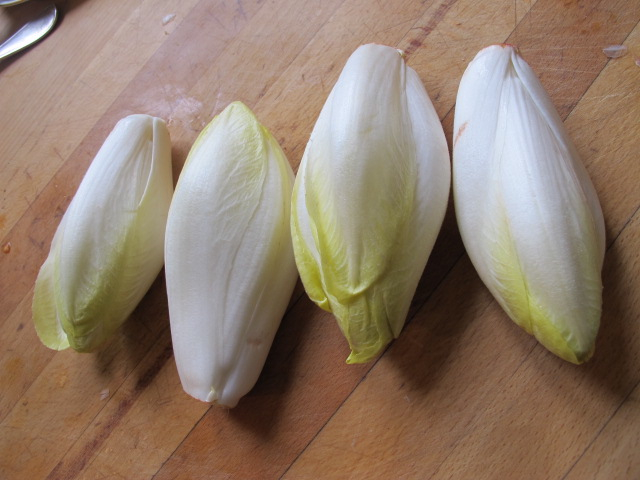
Witlof, Chicory, Endive… also known as the ‘Pearl of the North’ in France
‘Witlof’, ‘Chicory’, ‘Chicon’, ‘Endive’, ‘Belgian Endive’… I’m never quite sure what to call this vegetable. Each country seems to have a different name for it. In Australia for example, we call it ‘witlof’? Here in France it is called ‘endive’ and would you believe it has been grown commercially since only the 1930’s.
Whatever the name for it, since moving to France I have developed a huge liking for this interesting vegetable from the Chicory family. Thanks to Benji and his mum, I was introduced to a beautiful new ingredient and a few recipes that are now family favourites. Even our six-year-old loves eating them.
Endives are so verstile – they make a great salad when served raw with vinaigrette drizzled over it or, the particular family favourite, when braised with white wine and lardons and parsley, over a gentle heat for a few hours (the longer the better, you want them to caramelise!). You can serve this dish on its own or it makes a great side dish to lamb chops, veal or pork.
During the first few weeks of us living back in Australia in 2004, I decided to prepare the family favourite for our friends who we were lodging with. I was so excited to share this newly-loved vegetable of mine. After quite a search, I finally found them in a fruit and veg shop in North Fitzroy. I filled the bag, enough for four people and when I went to pay I nearly fell over. They were so expensive! I concealed my shock and quietly paid the money, vowing never again to buy this vegie in this suburb again. I at last appreciated why Claude (my Frenchie – amazing cook – friend who was living in Western Australia with his NZ wife), when he had yearnings for a good old endive dish, would only use three or four of them in a gratin. Braising them en masse was a complete luxury. Anyway – big sigh of relief – the dish worked out pretty well that evening, but not to be repeated for quite some time!
Here in France however, they are cheap and we eat them regularly, especially around October. A few years ago, I had to prepare a lunch at the last minute for some friends of friends travelling through the area. I added pan-fried chicken thigh fillets and julienned carrots to a pot of left-over braised endives and the result was really delicious. One of our lunch guests, the owner of a well-known bakery in Melbourne (yeah, not much pressure), was keen to get the recipe. High five! I was tres contente. I’ve been adding the chicken and the carrots for many a meal since.
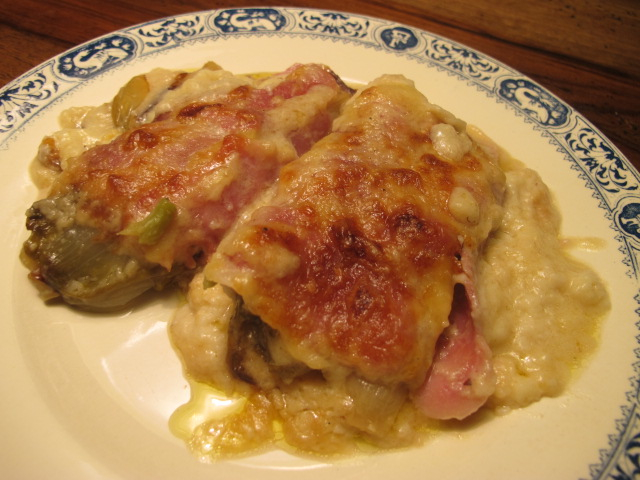
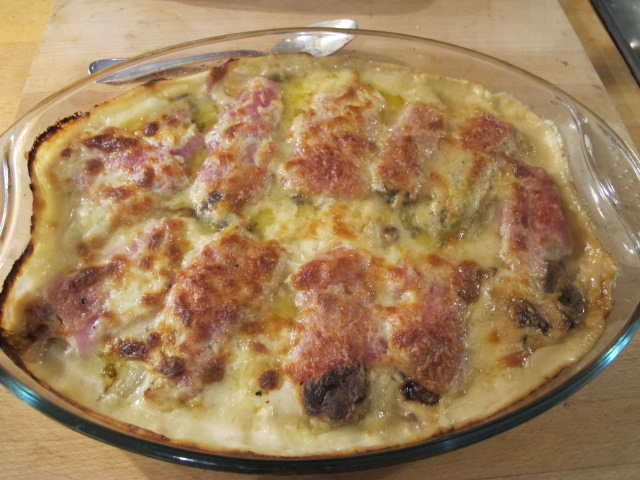
But much to my husband’s relief (I’m someone that could eat the same dish 4 times in the one week if I like it), I’ve branched out and tried a new recipe – the traditional ‘Gratin d’Endives au Jambon’ (Endives and Ham Gratin). Once again, as is usual for all the recipes I prepare, this is pretty simple and easy to make. It is a particularly good dish for the Autumn-Winter months and with today’s maximum temperature reaching six degrees celsius, I think I should get to it and make some.
Here’s the recipe for you… (I should tell Claude I’ve finally made it)
Gratin d’Endives au Jambon (serves 6)
Gratin d’Endives
ingredients:
(note: my quantities are always on the generous side – I prefer to have left-overs than not enough!)
8-10 endives (depending on size)
8 slices ham
60g butter
60g plain flour
200g Swiss Gruyere, grated (the AOC Gruyere ‘Alpage’ or ‘Reserve’ are incredible! – and even available in Australia)
1 litre full cream milk
salt, pepper
olive oil
method:
Trim stems off endives, pull off any discoloured leaves, then cut in half (I do this to help with cooking them through and browning)
Fry the endives in a pan over a low-medium heat with a little olive oil. As they begin to brown (or burn!), you can pour in a small amount of white wine to keep the pan moist. Fry until golden/dark golden and moisture has evaporated
(NB: some like to steam or boil the endives to part cook them but I prefer to fry them as I find there is too much liquid in the baking dish later when serving)
+ Heat oven to 180 degrees Celsius (about 7 or 8 on my gas oven) +
Fry the endives until golden
While the endives are cooking, prepare the cheese sauce (I like to grate the cheese before beginning the sauce so that your hands are free to keep stirring – and ready to be added when needed)
While the endives are cooking, prepare the cheese sauce
Melt butter in large saucepan
Heat milk in a different saucepan (it helps reduce overall cooking time if the milk is warm)
Stir in flour with a wooden spoon and cook for a few minutes over a gentle heat, stirring continuously.
Once it becomes a golden paste, pour in heated milk gradually, stirring continuously
(NB: How much milk you add depends on how thick or thin you like your sauce – my husband likes it thin and runny but I like it thickish and runny – so you may want to use less or more than the 1 litre. Just remember it will thicken over the heat eventually!)
add salt, pepper to taste
Once it comes to the boil, add the cheese and stir until melted.
Remove from heat.
Oil a large gratin/ baking dish
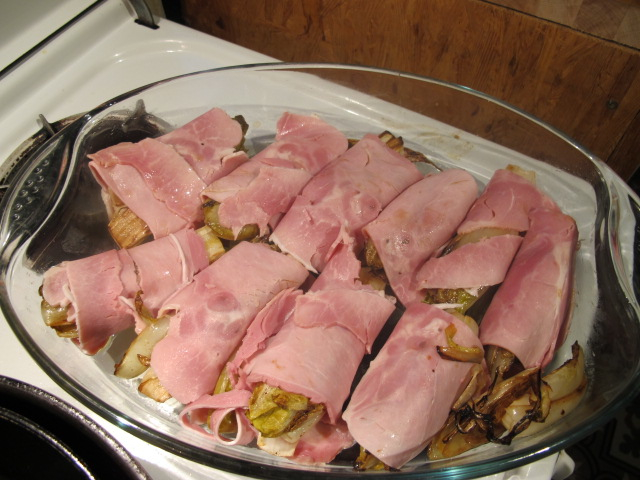
Gather your endive halves, wrapping two halves inside each slice of ham (as though it’s a whole endive)
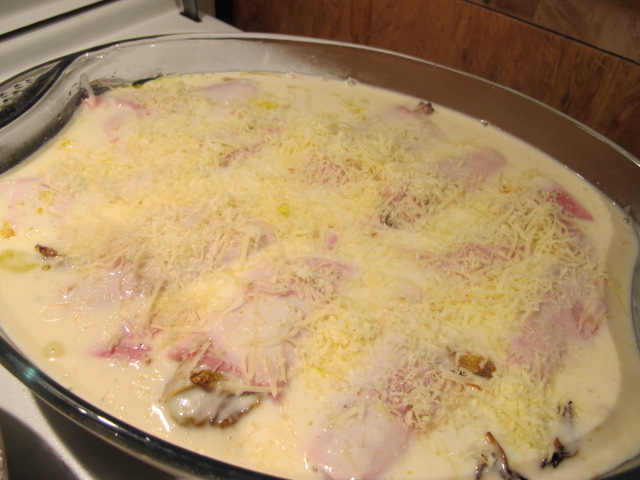
Place them in the baking dish and pour cheese sauce over the top – add a little extra grated Gruyere if desired
Place the wrapped endives in an oiled gratin/baking dish. (there’s 10 and not 8 in this one)Pour the cheese sauce over the endives and sprinkle with grated Gruyere
We were clearing the lunch table when Benji looked up at the kitchen clock and said “I have to be at the wine cellar by 3 for the blessing”.
What? A blessing? By who?, what for?…
My questions came fast. The new wine cellar is now fully operational and receiving grapes with its first harvest. It’s an amazingly interesting site (hemp lime bricks, egg-shaped tanks, energy produced = energy consumed), worthy of much discussion – but a blessing?
This must be my Jesus week.
Do you ever get this, weeks where a theme comes out of nowhere? You might think of someone, something just once – and then the whole week you are bombarded with reminders of it, like some sort of grand message? The theme manages to plant itself into conversations and activities throughout the day, reminders of itself everywhere – and it sticks. It doesn’t even have to come from you, which is the freakiness of it.
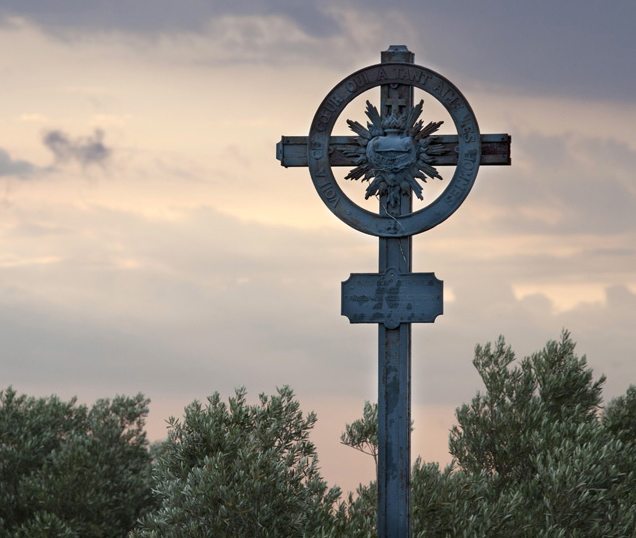
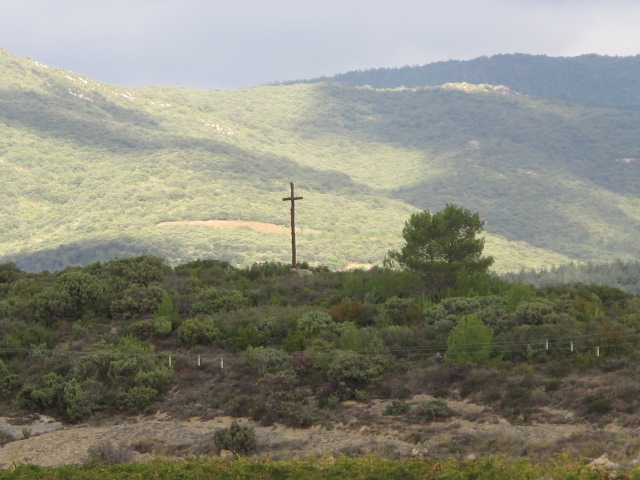
Jesus in the house! – a walk out the back after schoolthe route home from the supermarketcoming into the villageat the back of our property
When I was little my auntie used to take me to Sunday church in Adelaide. I enjoyed the ‘costumes’ and the sound of all the voices singing together in the large, impressive Cathedral but other than that, I was bored with the speeches I had no hope of understanding and Auntie Paul would hand me little picture books about Jesus to keep me occupied. I would have given anything to be able to have the small disc of ‘bread’ on my tongue and drink the wine – but all I got was a small pat on the head so no, not very exciting. The only things that excited me were seeing ‘Jesus of Nazareth’ repeated on tele each Christmas (Robert Powell was so hot!) or seeing Julie Andrews as a nun and my consequent decision to become one. But this was short-lived.
He rocked my world… Robert Powell in ‘Jesus of Nazareth’ 1977
So this Jesus week, all these years later, did seem to spring from nowhere.
OK, I am living in a rural area where many of the locals remain strongly connected to Catholicism (one of the primary religions in France) – of course I’ll see religious symbols, they’re on almost every corner! And maybe I’m reading too much into things, simply trying to reassure myself with these ‘messages’. But it does make me stop for a bit and think.
in Lezignan
Gee I’m babbling now and sounding bonkers. But when Benji came out with the whole blessing thing, it sounds strange but it made sense for me. A couple of days before we’d had a shock with our daughter in an accident. Lilas was ok, but it really threw me and I’d been murmuring thank-you’s ever since. Attending a blessing sounded completely logical.
“Can I come?” I asked Benji.
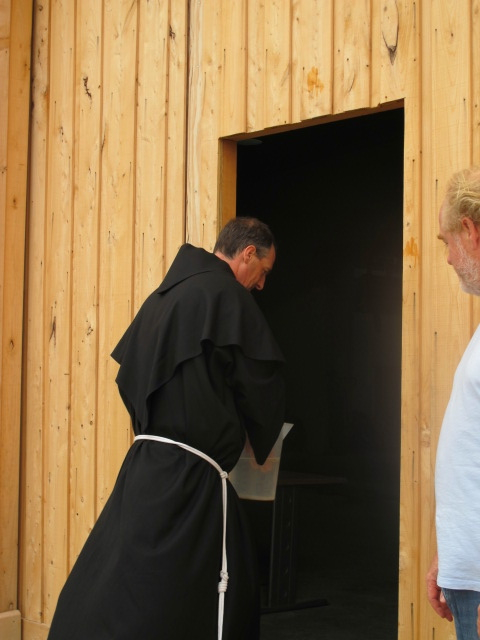
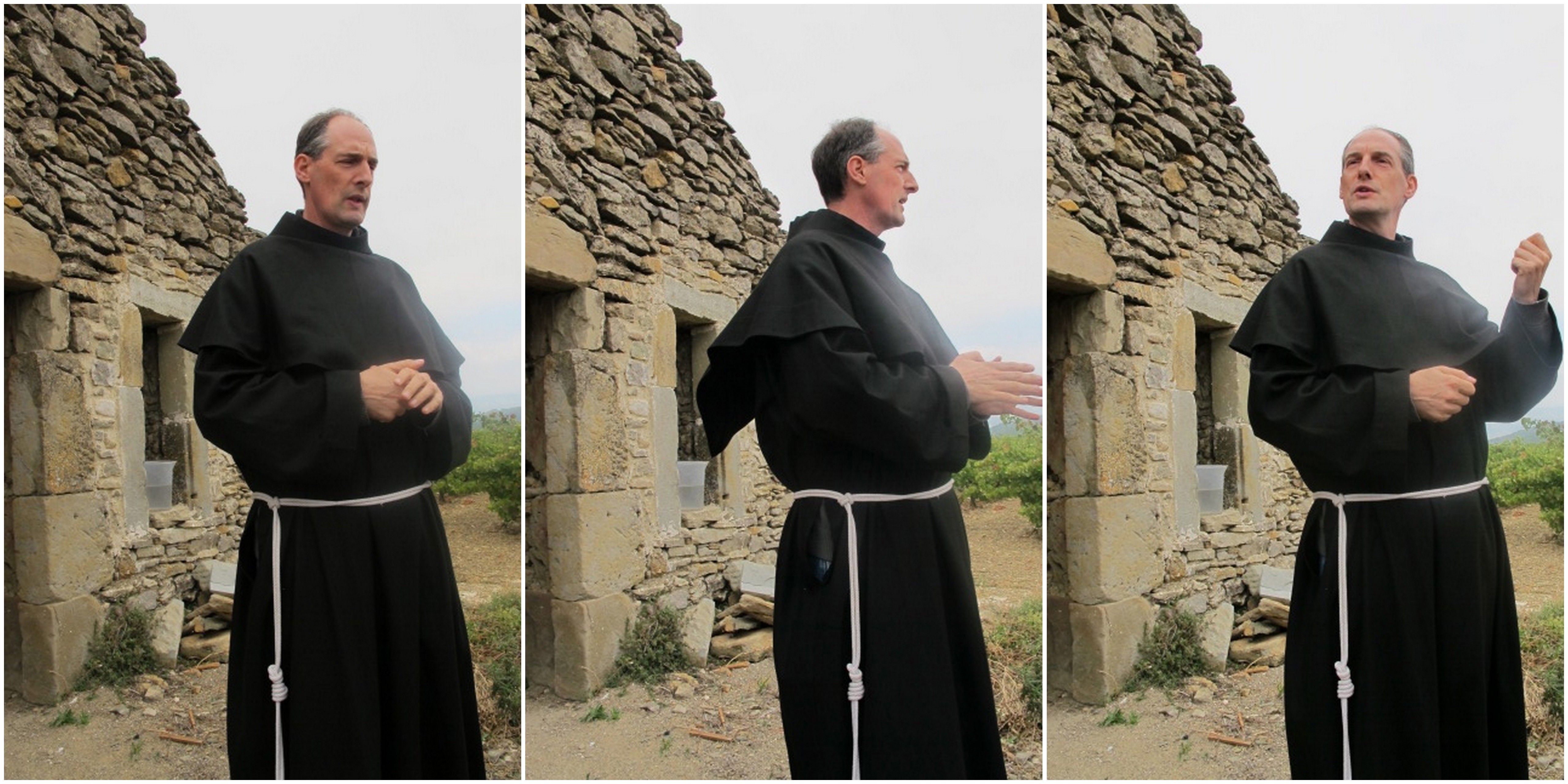
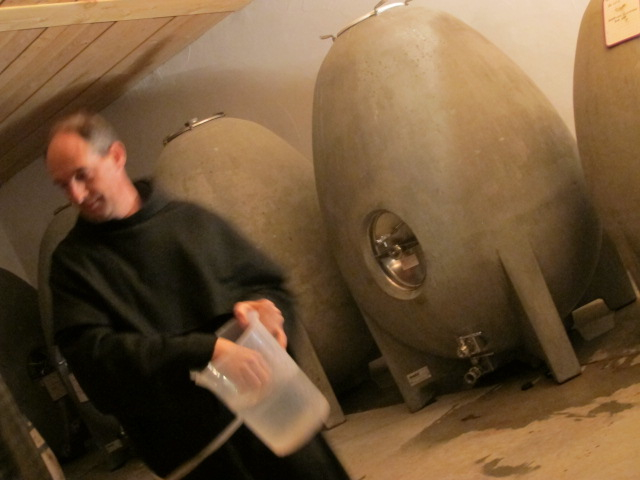
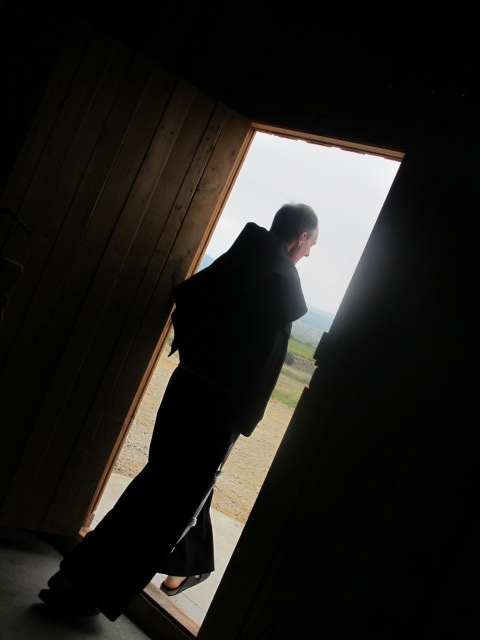
Frere Francois arriving at the cellarblessing the small Visigoth building at the property
All the staff were present but no one said much. We followed Frere Francois outside and then through the cellar as he gave his blessings and threw the holy water . It was a strange moment and I didn’t understand everything that was said, but was I happy to take it all in – his gentle manner and the ambience he created, of kindness and tranquility.
It was over before I knew it and I was even sad to see him leave.
A couple of days later I took some friends, visiting from Australia, to a vide-grenier (flea market) after Sunday lunch. Walking back to the car we saw the door was open to the small village church. Doors of village churches are normally always locked so we made the most of it and had a look.
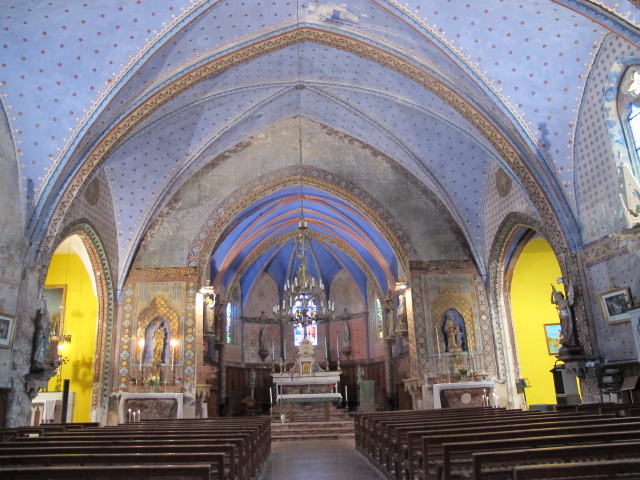
Inside Eglise Saint Paul Serge, in Mailhac
For such an unassuming exterior the inside was a lovely surprise – very colourful and much bigger than I’d expected. We had a wander and then Michelle pointed out something on the pin-up board:
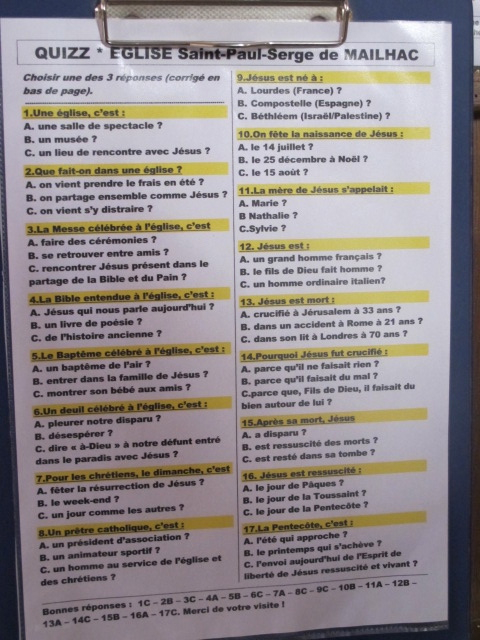
the Eglise Saint-Paul-Serge QUIZZ
“It looks like a quiz for children maybe?”
Looked like it to me. Here are some of the questions – they’ve got to be shared:
Q 11. The Mother of Jesus was called: A) Marie? B) Nathalie? C) Sylvie?
Q 12. Jesus is: A) A great Frenchman? B) The Son of God made man? C) An ordinary Italian?
Q 13. Jesus died: A) Crucified in Jerusalem at the age 0f 33? B) In an accident in Rome at the age of 21? C) In his bed in London at the age of 70?
Q 14. Why was Jesus crucified: A) Because he did nothing? B) Because he did bad things? C) Because, as Son of God, he did good around him?
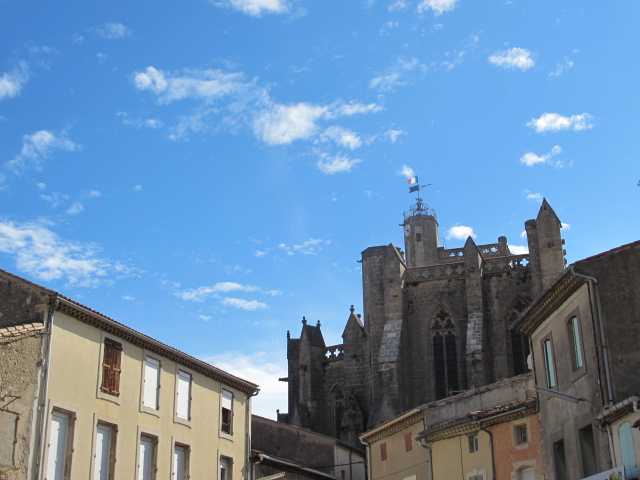
The following Wednesday (nearly all French children have it off from school) I had to take Lilas to collect her new French passport in a town some distance from our place, in Capestang. As is quite common around here, the church physically dominates the town.
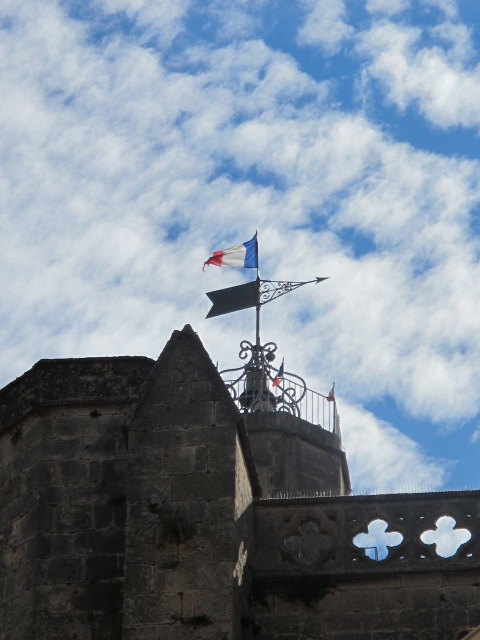
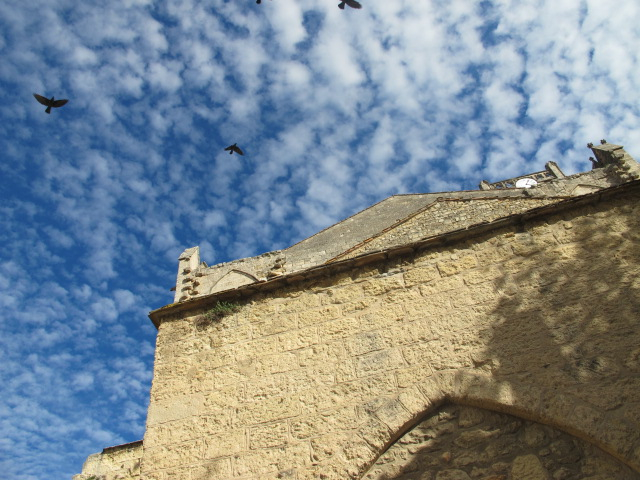
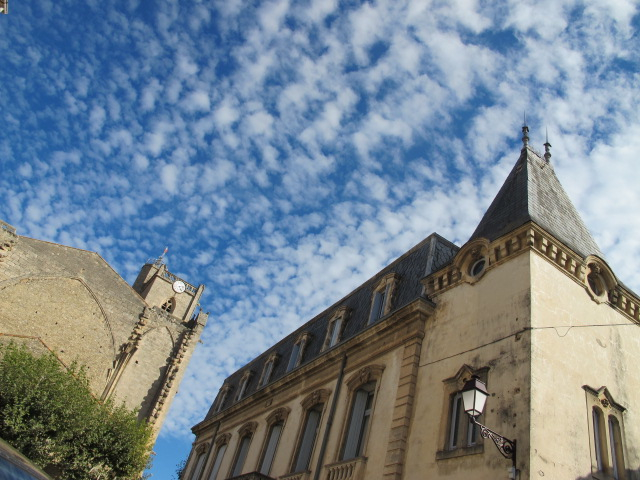
the church towering over the town of Capestang – ‘Collegiale Saint-Etienne de Capestang’
This church would have been much bigger in scale, but the project was left unfinished due to the Great Plague and lack of funds
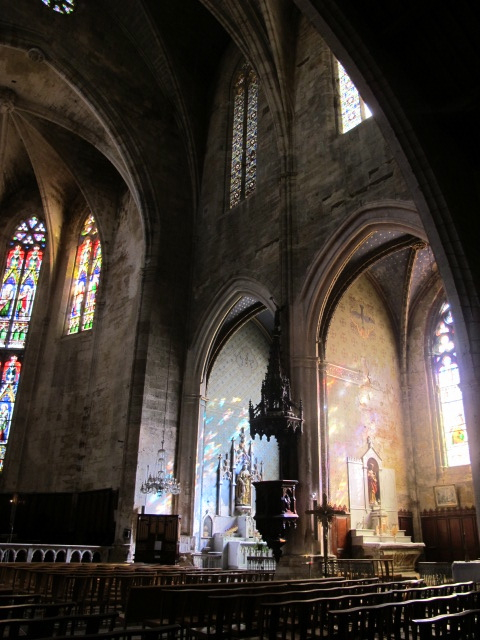
It was late in the afternoon and I wanted to get back home, but we had to pass the church to get back to the car. Lilas saw it and was very keen to visit it. She insisted we see if it was open. It was – another one open!? And once inside, I was so happy we’d taken the time.
It was beautiful and we had it all to ourselves. Lilas loved every minute of it and I was happy to have her around.
(* this dish is a version of the one listed in the fabulous “French Farmhouse Cookbook” by Susan Herrmann Loomis)
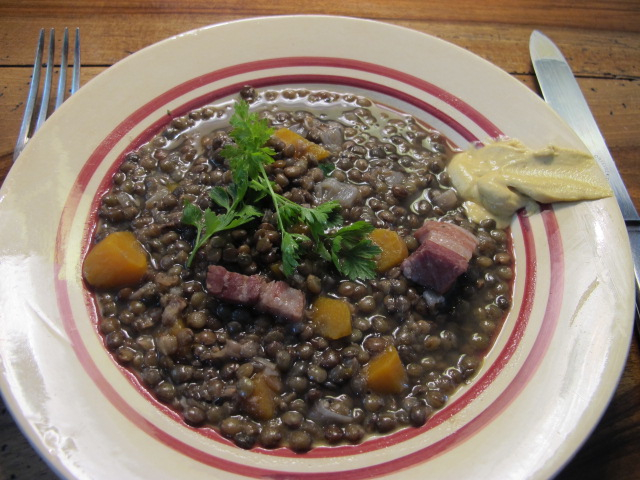
a very simple lentil dish – minus the sausages
Nothing like keeping the monsieur happy – and at this time more than any other. Harvest time means good, honest, country cooking and this very simple (the best kind!) lentil dish is a winner in our house. It’s easy and so versatile – it’s great on its own or delicious paired with country sausages, pork chops, lamb chops, whatever you feel like. They say that dried pulses were a staple in many homes during the harsh Winter months, a time when people also consumed more preserved, salted meats (no wonder I feel like large slabs of juicy ‘petit sale’ with my lentils).
pork for your fork (‘petit sale’ or ‘porc demi-sel’)
And it’s another one of those dishes that tastes better and better each day it gets older!
I first tried this dish here in France at Benji’s parents’ house. A large cast-iron pot was plonked in the middle of the table and we helped ourselves to this comfort-food’ – the country sausages (mmn, like a bit of country saucisse, but not these!!) swimming in a dark brown-green mass of steaming lentils, with dollops of Dijon mustard, soaking it all up with crusty bread and wine.
I’m wondering if it was the first time I’d had ‘Puy’ lentils? These are a dark green/grey coloured lentil commonly found in ‘Le Puy’, in the Auvergne area of France. Grown in volcanic soil, they are very small and lovely to cook with as they retain their form. Until that time, all the lentil dishes I’d tried were mostly Indian influenced, eg dhal, using red or brown lentils. Come to think of it, I used to eat a lot more ‘Asian’-influenced dishes in Australia. Coriander, soy sauce, chillies and limes were far more common sights in the kitchen than wild thyme, bay leaves and olive oil. Who would have thought…
500g green Puy lentils (this will serve about 6 people)
2 onions, diced
4 carrots, chopped
250g salted pork, cut into chunks (optional)
3 cloves garlic, finely chopped
1 sprig fresh thyme
bay leaf
country sausages/ frankfurters (1-2 per person) – (optional)
parsley and mustard for serving
pepper to taste (if you are using the salted pork you will not need to add any salt)
method:
Fry your onion until golden in a generous amount of olive oil, in a heavy casserole pot
+ During this time, boil a full kettle of water for pouring over the lentils later – the hot water greatly reduces the cooking time +
Add the roughly cut chunks of salted pork and fry for a few minutes, stirring frequently
Add the carrots and the garlic, give a good stir
Now add the lentils, stir well
add the lentils and stir
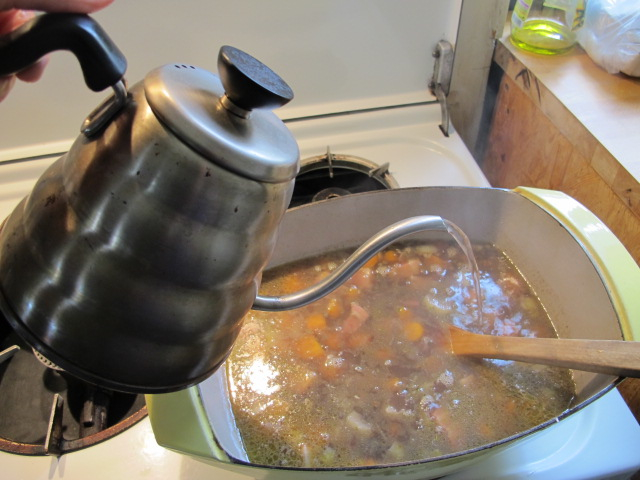
Pour boiling water to cover well.
N.B. During the cooking, you will find that the lentils soak up a lot of water, you may need to add a second pot of boiling water over the mixture if you have no liquid left. I know, it may look like you are drowning the lentils with water, but believe me it does dry up!
pour boiling water over the lentils etc and then cover
Add herbs and pepper to taste.
N.B. You do not need to add salt if using the salted pork (I’ve made that mistake!) – but if you’re not using meat DO NOT salt at this point. – adding salt to lentils during cooking may toughen them up. Add it after the cooking.
Cover with lid and let simmer for one hour (if you have too much liquid, leave the lid slightly ajar) – or until lentils are tender.
Voila! – and enjoy with a light red or a dry white…
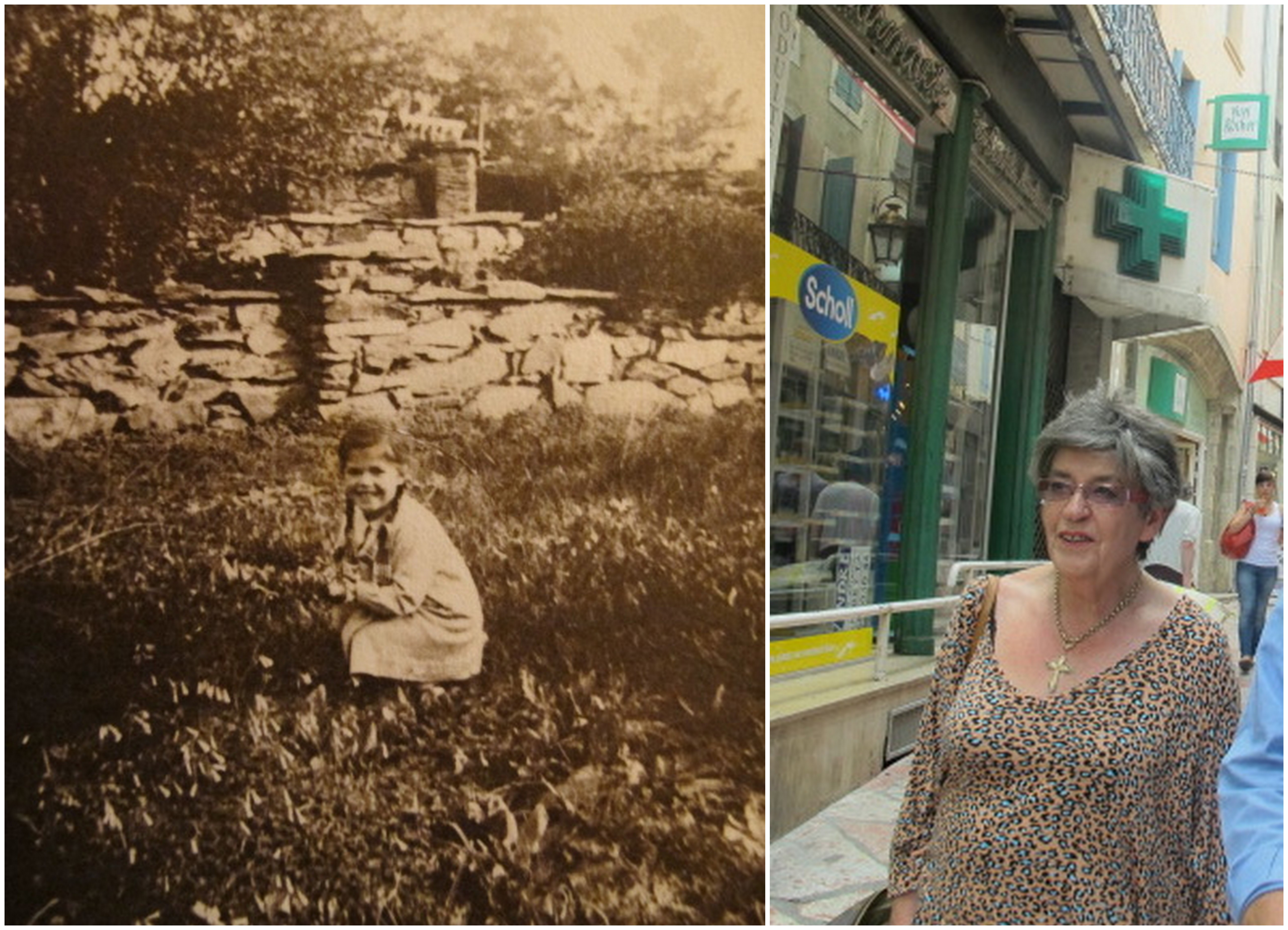
Hey Mum, the shot on the left could have been taken in our garrigues (bushland) only yesterday! Incredible how the landscapes in South Australia and the Minervois can look so similar…
Happy Birthday to you!! – I swear your face hasn’t changed a bit since then.
Here’s to a great year, more reunions and please, come back SOON xoxo













 The Vigneron's Wife